

 See My Latest Article on HelloNation
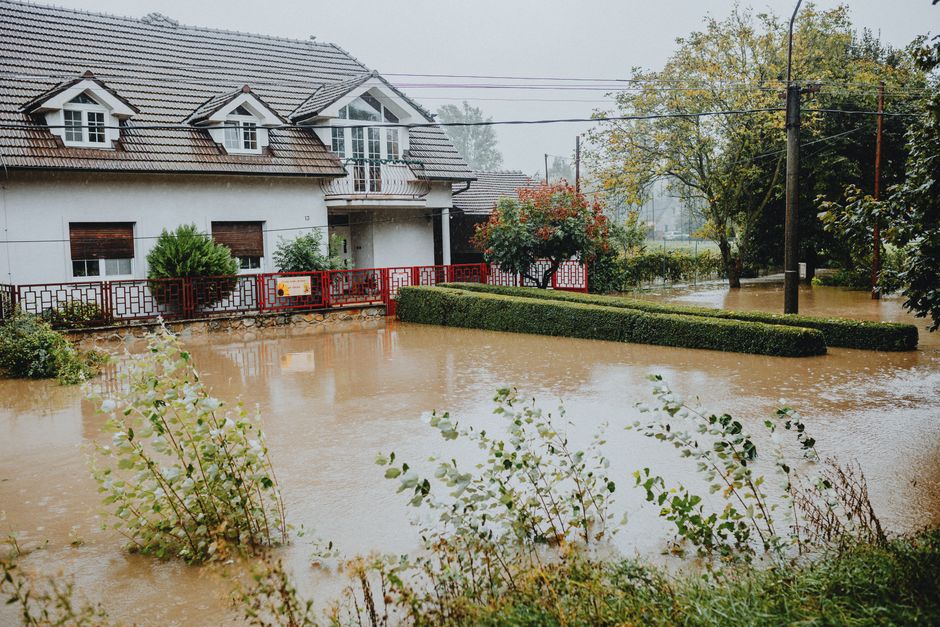
Water damage is one of the most common homeowners insurance questions, but the answer depends largely on where the water came from, how quickly it entered the home, and whether the cause was sudden, accidental, gradual, or excluded by the policy.
For households in Montpelier, winter freezes, aging plumbing, heavy rain, snowmelt, ice dams, sump-pump problems, and basement moisture can all create different insurance questions. The same amount of water may be covered in one situation and excluded in another.
What water damage does homeowners insurance usually cover?
Homeowners insurance generally covers damage caused by a sudden and accidental discharge or overflow of water from a plumbing, heating, air-conditioning, or household appliance system. Coverage often applies to the resulting damage to insured property, subject to the policy’s deductible, limits, exclusions, and conditions.
Examples may include:
- A supply line to a washing machine suddenly ruptures.
- A water heater unexpectedly fails and releases water.
- A pipe bursts after freezing temperatures, provided reasonable steps were taken to prevent freezing.
- A plumbing connection breaks and damages flooring, walls, cabinets, or personal belongings.
- Water enters through a roof after wind or another covered event creates an opening.
In many cases, the policy may cover the damage caused by the escaped water but not the cost of replacing the failed pipe, hose, appliance, or plumbing component itself. Insurance is generally intended to address accidental damage, not ordinary wear, deterioration, or maintenance.
Does insurance cover a frozen or burst pipe?
Often, yes—but freezing-related claims can depend on whether the homeowner took reasonable precautions.
A standard policy may cover water damage from a burst pipe if the loss was sudden and accidental. However, coverage can be limited or denied if the home was left unheated, the plumbing was not properly maintained, or the owner failed to take reasonable steps to prevent freezing.
This issue can be especially relevant during prolonged cold periods. Before leaving a home vacant, homeowners should understand any policy requirements involving heat, water shutoffs, inspections, or winterization. Keeping the thermostat at a safe setting and arranging for someone to check the property during an extended absence may help satisfy policy conditions, but the exact requirements vary.
If a pipe freezes or bursts, shut off the water if it is safe to do so, protect the property from additional damage, and document what happened. Water near electrical systems, ceilings, or structural materials can create safety hazards.
Is roof leakage or an ice dam covered?
Roof leaks may be covered when they result from a covered event, such as wind damage that creates an opening in the roof. The resulting interior damage may also be covered, depending on the policy.
Ice dam claims require closer review. An ice dam can form when snow melts on a warmer portion of the roof, refreezes near the eaves, and prevents proper drainage. If water backs up beneath shingles and enters the home, some policies may cover the resulting interior damage. Coverage may depend on whether the roof was maintained, whether the ice dam was connected to a covered cause, and whether exclusions apply.
Damage caused by long-term deterioration, poor construction, repeated seepage, or inadequate maintenance may not be covered. Roof age and condition can affect both eligibility and claim decisions.
Does homeowners insurance cover flooding, snowmelt, or groundwater?
Standard homeowners insurance generally does not cover flood damage. Flood insurance is usually purchased separately.
For insurance purposes, flooding generally involves water that covers normally dry land and affects a broader area or multiple properties. Water entering a basement from overflowing waterways, surface runoff, or widespread snowmelt may be treated as flood-related rather than as a plumbing loss.
Groundwater seepage through foundation walls or floors is also commonly excluded under a homeowners policy. The same is often true of water that gradually enters because of foundation cracks, poor drainage, hydrostatic pressure, or long-term moisture problems.
This distinction matters in a community where heavy rain, rapid thawing, frozen ground, and changing winter conditions can place pressure on drainage systems and foundations. A standard homeowners policy should not be assumed to cover every form of basement water.
What about sewer backup or sump-pump overflow?
Sewer backup and sump-pump overflow are often excluded from the basic homeowners policy unless specific additional coverage has been added.
A water-backup endorsement may cover damage when water or sewage backs up through a drain or sewer line, or when a sump pump overflows. The endorsement may have its own deductible, coverage limit, exclusions, and restrictions. It may cover resulting damage to the home and contents but not necessarily the failed sewer line, drain, sump pump, or outside piping.
Homeowners with finished basements, below-grade living areas, laundry equipment, or valuable storage should check whether this coverage is included. A standard policy’s water-damage coverage does not automatically mean sewer backup is covered.
Is mold from water damage covered?
Mold coverage depends on the cause of the water and the policy language.
If mold results directly from a covered sudden water loss, some policies may provide limited coverage for mold cleanup or related repairs. Other policies limit mold coverage or exclude it except under specific circumstances.
Mold caused by long-term humidity, repeated seepage, neglected leaks, or failure to dry wet materials promptly is less likely to be covered. After a covered water event, prompt drying and reasonable steps to prevent further damage may affect the claim.
Photographs, repair records, receipts, and notes about when the leak began can help establish the timeline.
Does insurance pay for temporary housing?
Additional living expense coverage may apply when covered water damage makes the home uninhabitable. This coverage may help with reasonable increases in living expenses, such as temporary lodging and certain meal costs, subject to policy limits and conditions.
It generally does not apply simply because a basement is wet or repairs are inconvenient. The damage usually must result from a covered cause, and the home must be unsuitable for normal occupancy under the circumstances.
Renters may have similar coverage under a renters policy, while the building owner’s policy generally addresses the structure rather than the tenant’s personal belongings.
What should a homeowner do after water damage?
Take reasonable steps to protect people and prevent additional damage, but do not put anyone at risk.
- Shut off the water source if possible.
- Avoid electrical hazards and contaminated water.
- Move undamaged belongings away from the affected area.
- Photograph standing water, damaged materials, and the suspected source.
- Keep damaged items unless they create a health or safety hazard.
- Save receipts for emergency drying, temporary repairs, lodging, or other expenses.
- Notify the insurance company promptly and follow its instructions.
- Do not make permanent repairs or discard major damaged materials before documentation or inspection, unless immediate action is necessary.
The policy, not the appearance of the damage alone, determines coverage. Important sections to review include accidental discharge, freezing, water backup, seepage, flood, mold, maintenance, additional living expenses, deductibles, and duties after a loss.
The practical question to ask
The most useful question is not simply, “Is water damage covered?” It is:
What caused the water to enter, was the event sudden and accidental, and is that cause covered under the policy?
A burst interior pipe, roof opening caused by wind, basement seepage, sewer backup, ice dam, and flood may all produce wet floors or damaged walls, but they are treated differently by insurance contracts. Understanding those distinctions before a loss can make it easier to identify gaps and respond appropriately when water enters the home.